- Книга (1451)
- Журнал (9)
- Автореферат диссертации (66)
- Изоиздание (36)
- Аудиоиздание (27)
- Видеоиздание (92)
- Неопубликованный документ (3)
- Нотное издание (3)
- Фотография (19)
- Статья (495)
- Библиографический указатель (15)
- Словарь (2)
- Календарь (1)
- Брошюра (27)
- Буклет (13)
- Электронное издание (2)
- 3D-модель (36)
- Грампластинка (8)
- Веб-архив (555)
Год выпуска: 2026
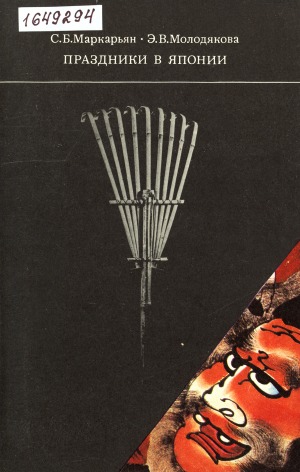
Издательство: Наука, Главная редакция восточной литературы
Год выпуска: 1990
Количество страниц: 268 с.
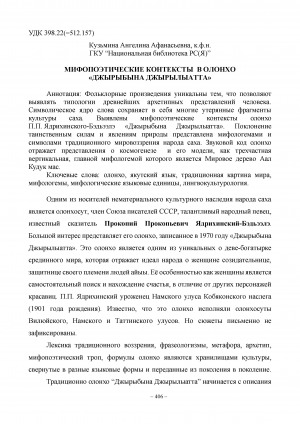
Количество страниц: 3 с.
Кузьмина, А. А.
Мифопоэтические контексты в олонхо "Джырыбына Джырылыатта" / Кузьмина А. А. ; ГКУ "Национальная библиотека РС(Я)" // Сравнительно-сопоставительное изучение тюркских языков : материалы II Международной научно-практической конференции, посвященной 70-летию со дня рождения известного тюрколога, общественного деятеля, кандидата филологических наук, доцента Ю. И. Васильева-Дьаргыстай (г. Якутск, 16 декабря 2022 г.) / [составители: И. Ю. Васильев, М. П. Попова, Н. А. Ефремова, Т. В. Илларионова] . - Якутск : Издательский дом СВФУ, 2022. - 1 электрон. опт диск (CD-ROM). - С. 406-408.
Год выпуска: 2020
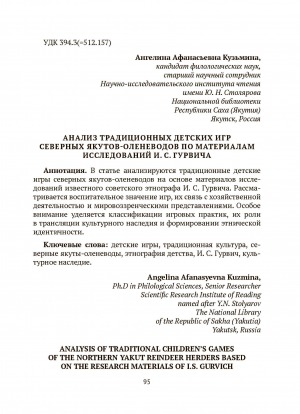
Количество страниц: 5 с.
The article analyzes the traditional children’s games of the northern Yakut reindeer herders based on the research materials of the famous Soviet ethnographer I.S. Gurvich. The educational value of games, their connection to economic activity, and worldview are taken into account. Special attention is paid to the classification of gaming practices, their role in the transmission of cultural heritage and the formation of ethnic identity.
Кузьмина, А. А.
Анализ традиционных детских игр северных якутов-оленеводов по материалам исследований И. С. Гурвича / Кузьмина А. А. ; Научно-исследовательский институт чтения им. Ю. Н. Столярова Национальной библиотеки Республики Саха (Якутия) // Гурвичевские чтения-2025 : сборник материалов II Всероссийской научно-практической конференции с международным участием : (г. Якутск, 29 апреля 2025 г.) /Арктический государственный институт культуры и искусств, Национальная библиотека Республики Саха (Якутия), Институт гуманитарных исследований и проблем малочисленных народов Севера СО РАН [и др.] ; ответственный за выпуск С. В. Максимова ; составители: А. В. Таппырова, Е. И. Захарова ; редакционная коллегия: Е. Н. Романова, Е. С. Сергина, А. С. Иванова, Н. Э. Игнатьева. - Якутск : ИЦ НБ РС(Я), 2025. - 1 файл (222, [1] с. ; 16 Мб). - С. 95-99.
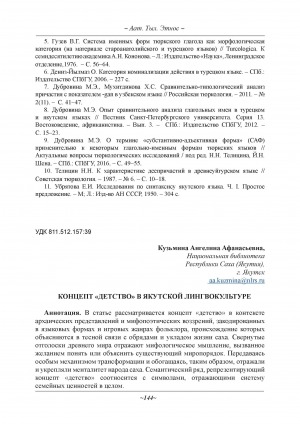
Количество страниц: 8 с.
- Общественные науки. Образование > Этнография. Обычаи. Жизнь народа. Нравы,
- Языкознание. Филология. Художественная литература > Языкознание и языки. Лингвистика > Якутский (саха),
- НАУКА ЯКУТИИ > ЯЗЫКОЗНАНИЕ. ФИЛОЛОГИЯ. ЛИТЕРАТУРОВЕДЕНИЕ. ХУДОЖЕСТВЕННАЯ ЛИТЕРАТУРА > Языкознание и языки. Лингвистика,
- НАУКА ЯКУТИИ > ОБЩЕСТВЕННЫЕ НАУКИ > Этнография. Обычаи. Жизнь народа. Нравы.
Кузьмина, А. А.
Концепт "детство" в якутской лингвокультуре / А. А. Кузьмина ; Национальная библиотека Республики Саха (Якутия) // Аат. Тыл. Этнос : cборник статей, посвященный 95-летию со дня рождения основателя ономастических исследований в Республике Саха (Якутия) Михаила Спиридоновича Иванова-Багдарыын Сюлбэ (г. Якутск, 9 ноября 2023 г.) / Институт гуманитарных исследований и проблем малочисленных народов Севера / редколлегия: Сивцева Н. А., Борисова Ю. М., Скрябина А. А. / рецензенты: Н. Н. Васильева, А. К. Прокопьева. - Якутск : ИГИиПМНС СО РАН, 2025. - С. 144-151.
Год выпуска: 2023
Количество страниц: 19 с.
- 1. Григорьев Степан Алексеевич. Отраслевые научные исследования в Якутии в 1920–1930-е гг. = Industry scientific research in Yakutia in the 1920s – 1930s
- 2. Белолюбская Галина Степановна. Советское освоение Западной Якутии: история невидимого труда каюров Садынского наслега ЯАССР = The Soviet making of Western Yakutia: а history of the invisible labour of Kayurs from the Sadynsky nasleg, Yakut ASSR
- 3. Степанова Лена Борисовна. Визуальная программа исследований Г. В. Ксенофонтова = G. V. Ksenofontov’s visual research program
- 4. Антонов Егор Петрович. К интеллектуальной биографии автора автохтонной концепции этногенеза якутов С. И. Николаева – Сомоготто = To the intellectual biography of S. I. Nikolaev – Somogotto, the author of the autochthonous conception of the Yakuts’ ethnogenesis
- 5. Самсонова Екатерина Максимовна. Форма ускоренности действия как периферийное средство выражения неоднократности в якутском языке = The action acceleration form as a secondary means of expressing multiplicity in the Yakut language
- 6. Афанасьева Евдокия Николаевна. Семантика религиозной лексики якутского языка в сравнительно-сопоставительном аспекте = Semantics of religious vocabulary of the Yakut language in a comparative aspect
- 7. Романова Лидия Николаевна. Рукописное наследие И. Д. Винокурова – Чагылгана: опыт подготовки к изданию неизвестных сочинений поэта = I. D. Vinokurov – Chagylgan’s manuscript heritage: experience of preparing for publication the poet’s unknown works
- 8. Кошкарева Наталья Борисовна. Функциональная грамматика якутского языка (рецензия на серию монографий "Функционально-семантические категории в якутском языке") = Functional grammar of the Yakut language (review of the monographs’ series “Functional-semantic categories in the Yakut language”)
- 9. Северо-Восточный гуманитарный вестник, 2025, №3 (52)
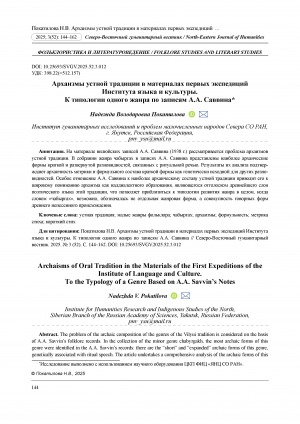
The problem of the archaic composition of the genres of the Vilyui tradition is considered on the basis of A. A. Savvin’s folklore records. In the collection of the minor genre chabyrgakh, the most archaic forms of this genre were identified in the A. A. Savvin’s records: there are the “short” and “expanded” archaic forms of this genre, genetically associated with ritual speech. The article undertakes a comprehensive analysis of the archaic forms of this genre according to the data of the Vilyui Expedition. The results of this analysis confirm the archaic nature of the metrics of the “short verse” and the formulaic composition of this genre in the A. A. Savvin’s Vilyui records. From the initial recording of dialectal and archaic words of this tradition, he comes to a broad understanding of the archaisms of the oral tradition. They represent integral oral texts, within which the archaic “form” and syncretic in their origin elements and evidence of the most ancient state of the oral tradition of the Yakuts are preserved. A special attitude to the archaic texts of the tradition, their selection and the most complete recording largely determined the originality of the A. A. Savvin’s research approach, a participant in the First Expeditions of the Institute of Language and Culture. The archaic collection varieties of only one minor genre allow us to talk about the typological significance of this material for identifying hidden patterns in the structuring of an oral text in its “small” format. The article puts forward a hypothetical assumption that in ancient times, the concept of “chabyrgakh” in the broad sense denoted not a separate genre form, but, possibly, a whole set of communicative types of speech that have a “spoken” rather than a “song” basis.
Покатилова, Н. В.
Архаизмы устной традиции в материалах первых экспедиций Института языка и культуры. К типологии одного жанра по записям А. А. Саввина / Н. В. Покатилова ; Институт гуманитарных исследований и проблем малочисленных народов Севера СО РАН // Северо-Восточный гуманитарный вестник. - 2025. - N 3 (52). - С. 144-162. - DOI: 10.25693/SVGV.2025.52.3.012
DOI: 10.25693/SVGV.2025.52.3.012